

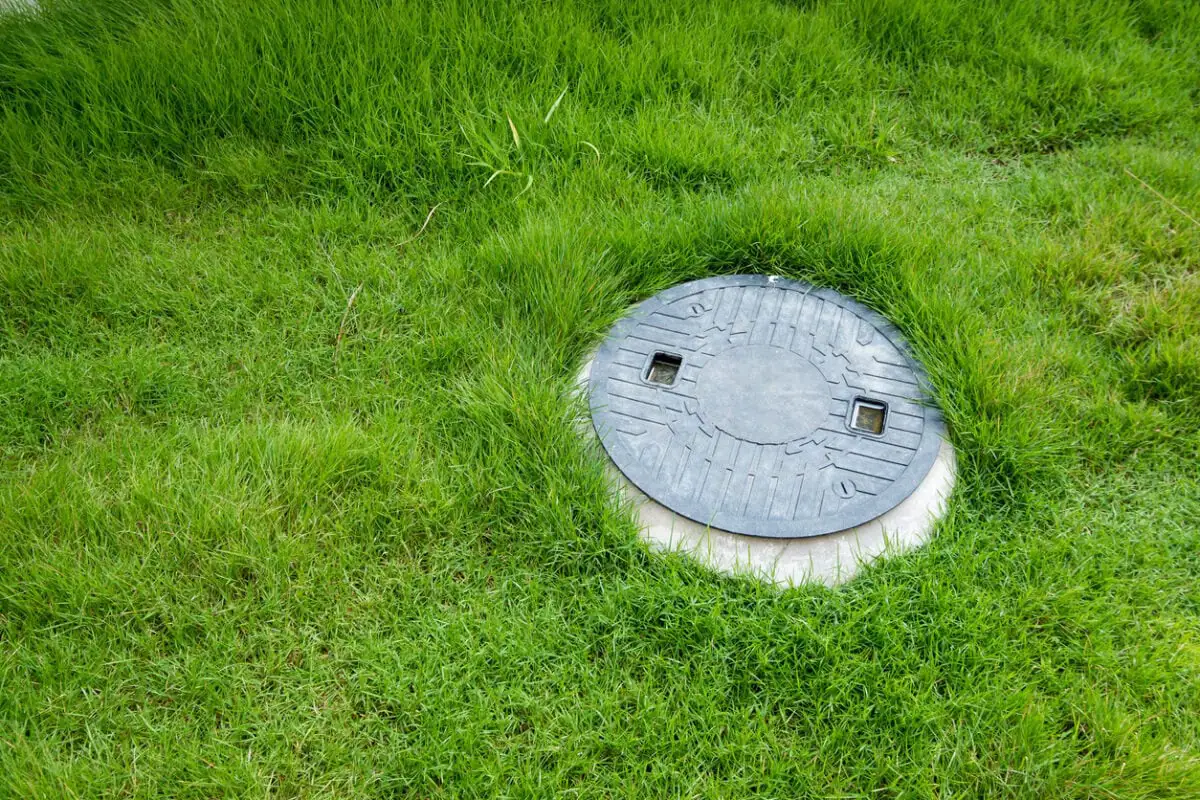
Do You Need Septic Tank Treatment for Your Septic System?
Store shelves and online ads are full of septic tank “treatments” promising to break down waste faster, prevent backups, or extend the life of your system. For homeowners across Northern Virginia relying on private septic systems, it’s a fair question: do you actually need one, or is it just another product to buy? The honest answer is that most healthy septic systems don’t need a treatment product at all — and some of the products sold as treatments can do more harm than good.
Key Takeaways
- Most systems don’t need it. A properly designed, regularly pumped septic system already has the bacteria it needs to break down waste — additives aren’t a requirement for normal operation.
- Not all treatments are safe. Inorganic acids, alkalis, and chemical degreasers can kill the beneficial bacteria your tank depends on and can damage the drain field; some are restricted where they’re sold.
- Hydrogen peroxide isn’t a long-term fix. It doesn’t harm tank bacteria when diluted correctly, but ongoing research points to it degrading soil structure and shortening drain field life over time.
- Biological additives are the safer category. Bacteria- and enzyme-based products are generally the only type considered safe for the tank’s ecosystem and the surrounding drain field, if you choose to use one at all.
- Habits matter more than products. What goes down your drains — bleach, antibacterial soap, grease, harsh cleaners — affects your tank’s bacterial balance far more than whether you buy a treatment.
- Nothing replaces pumping. No additive, biological or otherwise, is a substitute for having your tank professionally pumped on a regular schedule.
- The stakes are higher on well water. Across Northern Virginia’s rural and semi-rural communities, many homes on septic also draw drinking water from a private well nearby — harsh chemical treatments that reach the drain field put that groundwater at risk.
What Septic Tank Treatment Products Actually Are
A septic tank works because naturally occurring microorganisms break down the solid waste that enters it, separating it into liquids and settled solids. “Treatment” products are marketed as a way to boost or protect that bacterial activity, and they generally fall into a few categories: inorganic acids and alkalis, hydrogen peroxide, organic solvents and degreasers, and biological additives. They are not all equal, and several of them work against the very process they claim to support.
So, Do You Actually Need One?
For most properly functioning septic systems, no. Routine pumping on the schedule your system requires, combined with reasonable household habits, keeps a healthy septic system working without any additive. Treatment products are sometimes marketed as essential maintenance, but the microorganisms already living in your tank do this job continuously on their own, as long as you’re not actively working against them.
Where a biological additive can occasionally help is after an event that disrupts the tank’s bacterial balance — a round of antibiotics flushed through the system, an extended vacancy, or heavy use of antibacterial products. Even then, it’s a supplement to good habits and regular pumping, not a replacement for either.
Septic Tank Treatment Methods: What’s Safe and What Isn’t
- Inorganic acids and alkalis — avoid. Their harsh chemical composition kills the bacteria your tank needs, stopping the digestion process the whole system depends on.
- Hydrogen peroxide — avoid for ongoing use. It was once commonly recommended because, properly diluted, it doesn’t damage tank bacteria. More recent findings show it can degrade soil composition and threaten the long-term health of the drain field, so it isn’t a sound long-term treatment choice.
- Organic solvents and degreasers — avoid. Compounds like methylene chloride, trichloroethylene, and other chlorinated hydrocarbons are formulated as grease cleaners and are typically too harsh for a septic tank’s bacterial ecosystem. Once they reach the drain field, they can also seep into groundwater and cause lasting environmental damage.
- Biological additives — the safer option. Bacteria and extracellular enzyme products are generally the only category that supports a healthy bacterial ecosystem, a functioning drain field, and nearby groundwater without the risks the other categories carry.
What Actually Keeps a Septic System Healthy
If you’re looking for the highest-impact way to protect your system, it isn’t a product on a shelf — it’s a combination of routine maintenance and mindful use:
- Pump the tank on a regular schedule based on household size and tank capacity, rather than waiting for signs of trouble.
- Avoid pouring bleach, drain cleaners, paint, solvents, or excess antibacterial soap down the drain — these are harder on the tank’s bacteria than skipping a treatment product ever would be.
- Keep grease, wipes, and non-biodegradable items out of drains and toilets entirely.
- Space out heavy water use (laundry, dishwashing) rather than running everything at once, which can overload the drain field.
- Have the system professionally inspected periodically, especially if you notice slow drains, odors, or unusually lush patches over the drain field.
Why This Matters More in Northern Virginia
Septic reliance is especially high across the rural and semi-rural stretches of Northern Virginia — communities like Nokesville, Catharpin, Bull Run, Sudley Springs, and New Baltimore, along with growing areas around Gainesville, Haymarket, Manassas, Warrenton, and Wellington, where public sewer isn’t available and private septic systems are the norm on larger lots.
Many of these same homes also draw their drinking water from a private well on the property. That combination raises the stakes on which treatment products are safe: a harsh chemical additive that damages a drain field doesn’t stay contained — it can migrate through the same soil and threaten the groundwater a household well draws from. Whether you’re in Manassas, Gainesville, Haymarket, Nokesville, Catharpin, Bull Run, New Baltimore, Sudley Springs, Warrenton, Wellington, or elsewhere in the region, the same guidance applies: skip the harsh chemical treatments, and if you use anything at all, keep it limited to a biological additive alongside regular professional pumping.
Frequently Asked Questions
Do I need to use septic tank treatment for my septic system?
Generally no. A well-maintained septic system that’s pumped on schedule and not overloaded with harsh chemicals already has the bacteria it needs. Treatment products are a supplement at most, not a requirement.
What is the best septic tank treatment?
Biological additives — bacteria or enzyme-based products — are considered the safest category if you choose to use one, since they support the tank’s natural bacterial ecosystem instead of working against it.
Can septic tank treatment damage my system?
Yes. Inorganic acids, alkalis, and chemical degreasers can kill the bacteria your tank relies on and can harm the drain field, and some are restricted in certain areas because of that risk.
Is hydrogen peroxide safe for septic tanks?
In properly diluted amounts it doesn’t harm tank bacteria, but it isn’t recommended for ongoing use — research points to it degrading soil structure in the drain field over time.
How often should I pump my septic tank instead of using treatment?
Pumping frequency depends on tank size and household size, but it should happen on a regular schedule regardless of whether you use any additive. A professional inspection is the best way to confirm the right interval for your system.
Does septic tank treatment replace the need for pumping?
No. No additive, including biological ones, replaces professional pumping. Treatment products at best support the bacterial ecosystem between pump-outs — they don’t remove the solids that build up in the tank.
Serving Homeowners Across Northern Virginia
Advantage Septic Service supports homeowners throughout Northern Virginia with septic maintenance, pumping, and inspections, including Manassas, Gainesville, Haymarket, Nokesville, Catharpin, Bull Run, New Baltimore, Sudley Springs, Warrenton, Wellington, and surrounding communities.
If you’re unsure whether your septic system needs treatment or simply needs its next scheduled pump-out, contact Advantage Septic Service for guidance from a licensed team that knows the region’s soil and systems.