

Resources
Recent posts
- All
- ARTICLES
- COMMUNITY
- EDUCATION
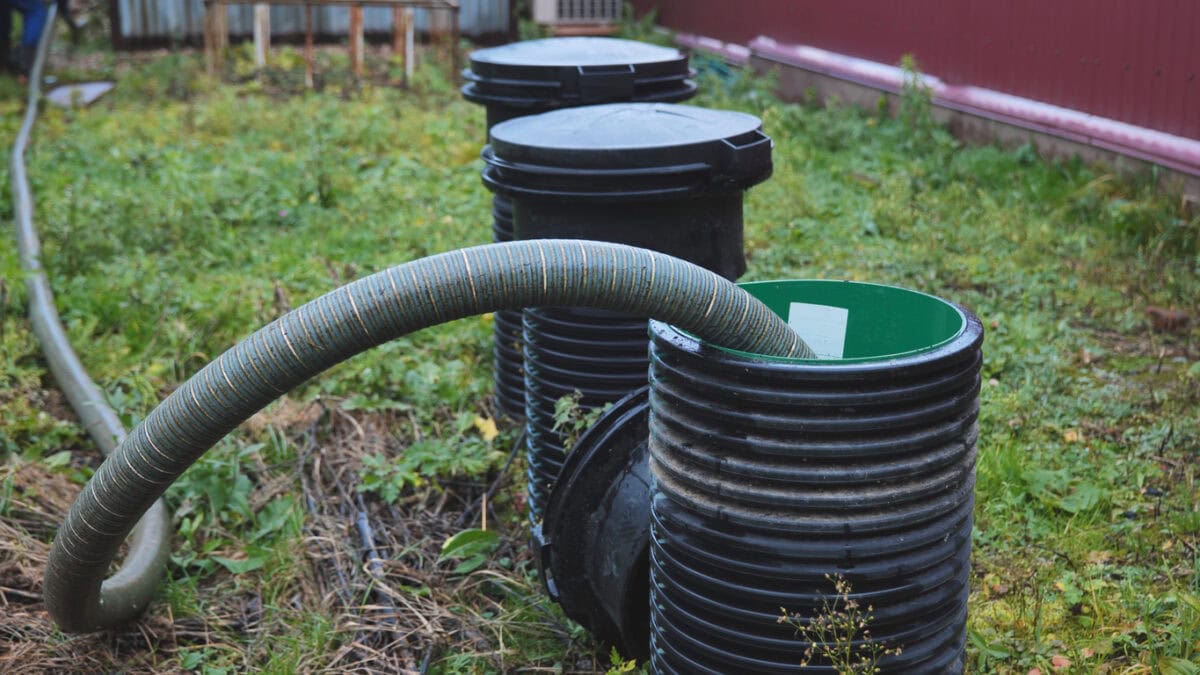
How Often Does a Pump and Haul Septic System Need Service?
A pump and haul septic system works differently from a conventional septic system that may only need…

Septic Tank Pumping in Stafford VA: A Homeowner’s Guide to Scheduling Service
Keeping your septic system on a regular maintenance schedule helps protect your home and supports reliable day-to-day…
Do You Need Septic Tank Treatment for Your Septic System?
Store shelves and online ads are full of septic tank “treatments” promising to break down waste faster,…
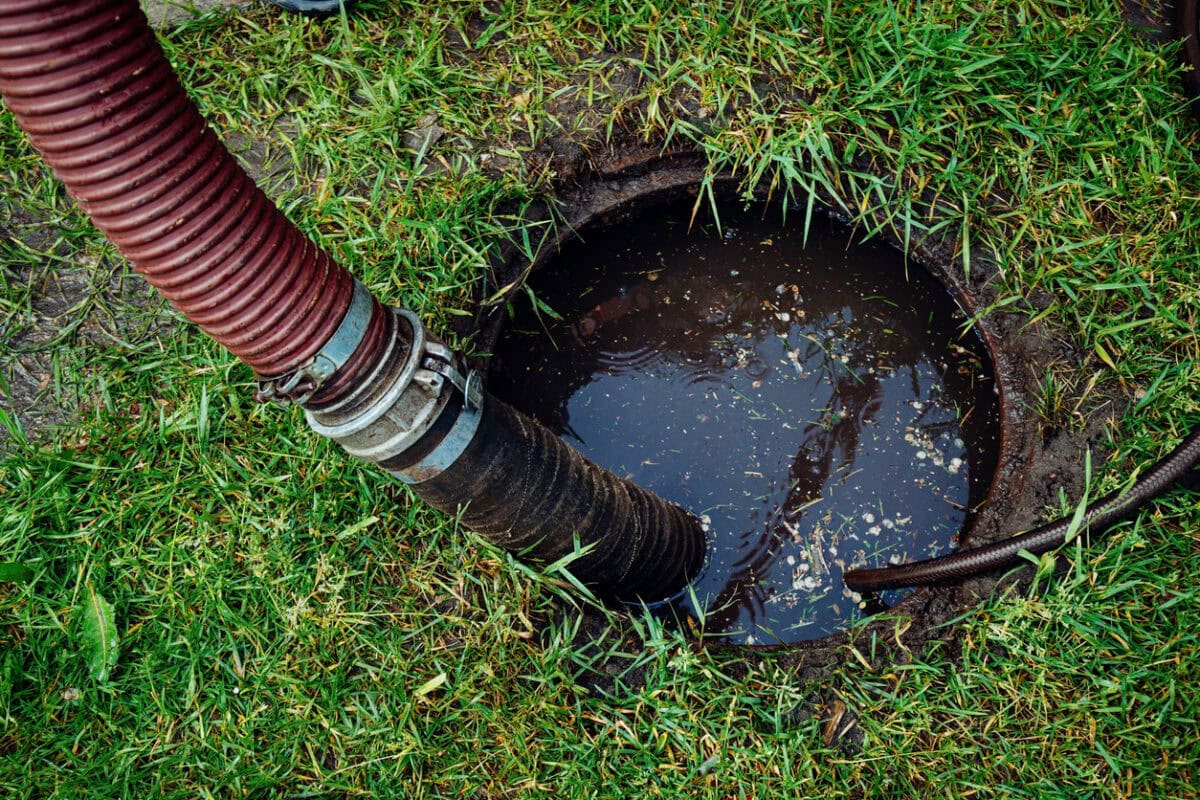
Will a Flooded Septic Tank Fix Itself? A Northern Virginia Homeowner’s Guide
After a heavy rain, it’s common to find standing water pooled over your septic tank or drain…
How to Find Reliable Septic Inspectors Near Me
When homeowners search for septic inspectors near me, they want a company that understands septic systems, communicates…
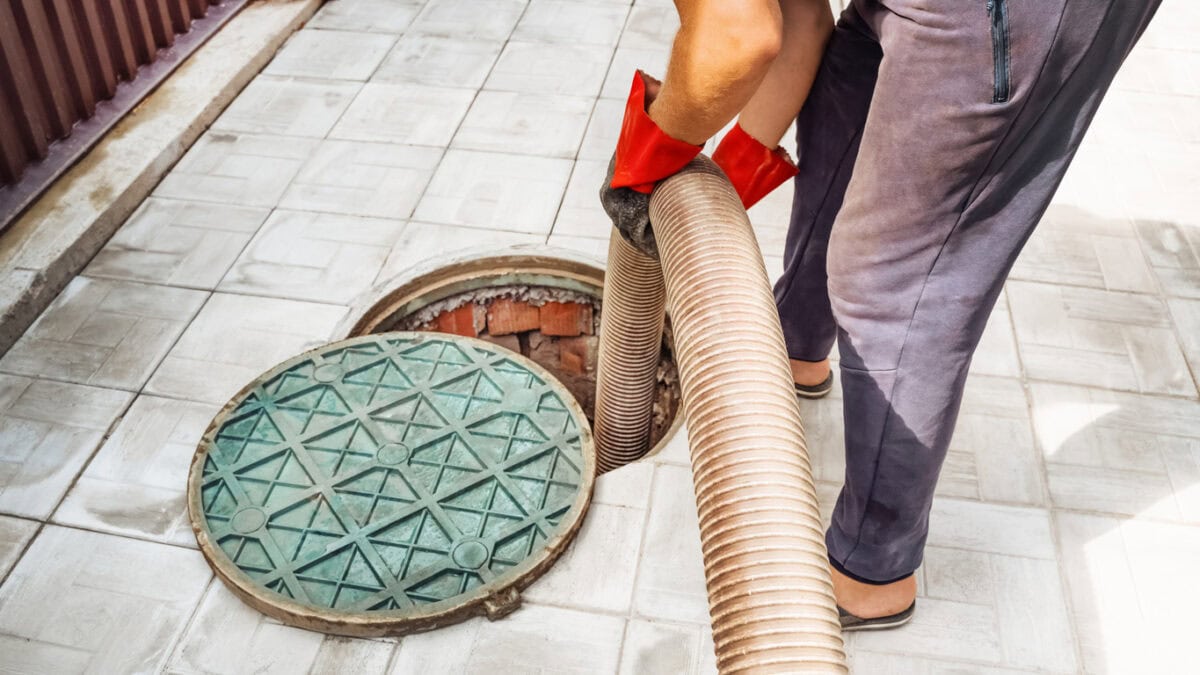
Why Your Septic Filter Needs Annual Cleaning (It Prevents Sewage Backups)
Most homeowners don’t even know their septic system has a filter — until it causes a problem….
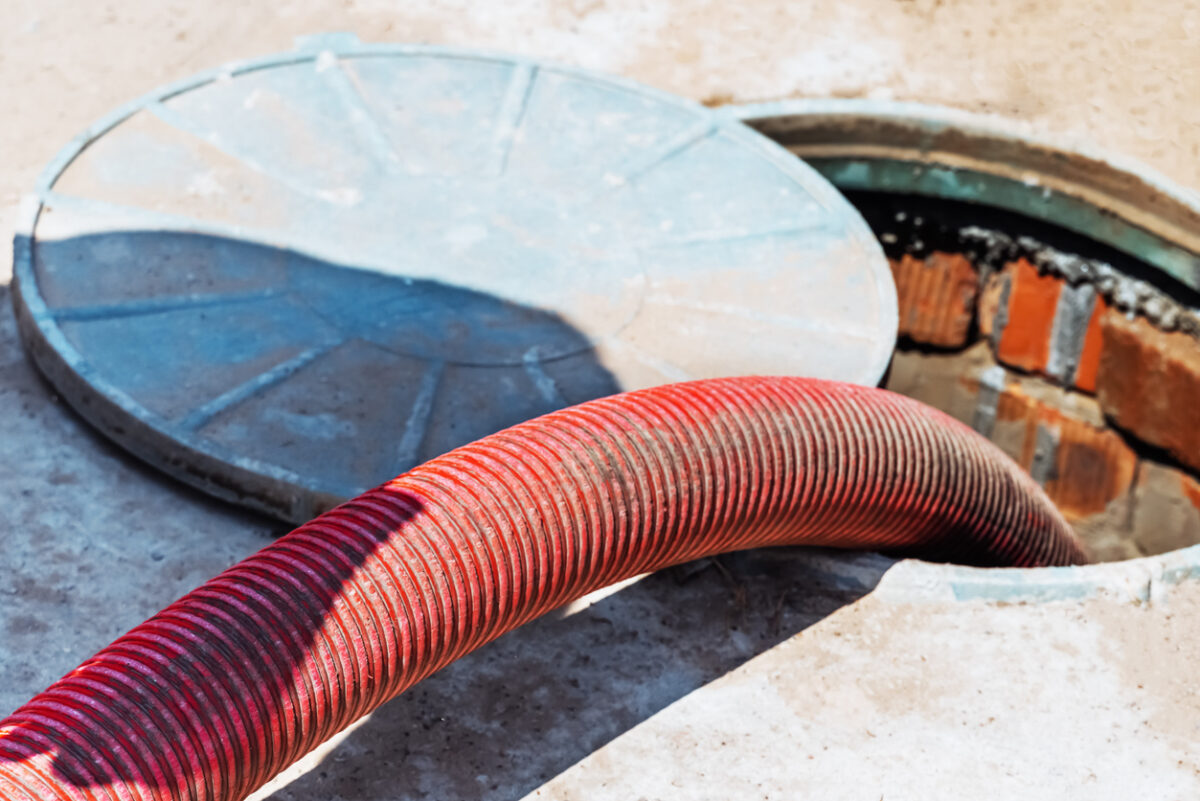
How Routine Septic System Services Prevent Emergencies
Emergency septic problems can disrupt your home, your schedule, and your peace of mind. We help property…
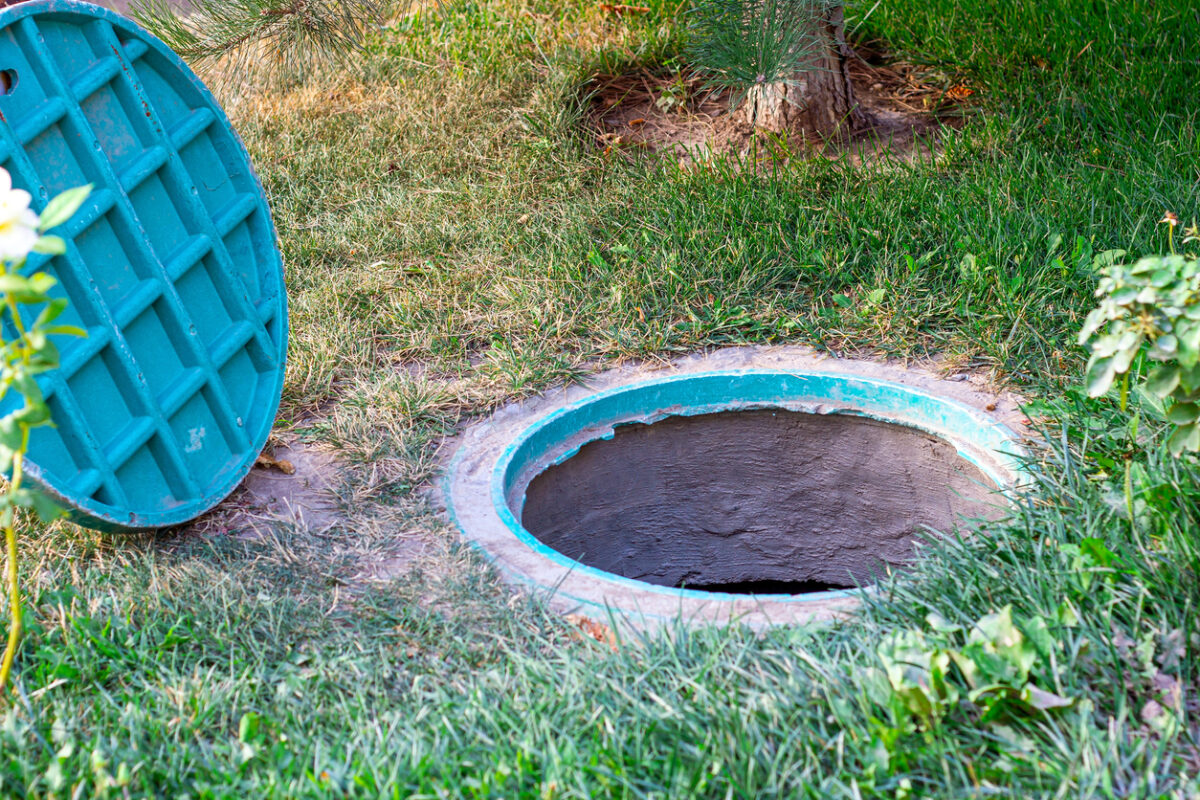
Top Signs You Need Septic Repair Before the Problem Gets Worse
Your septic system works hard every day, and small warning signs can quickly turn into larger system…
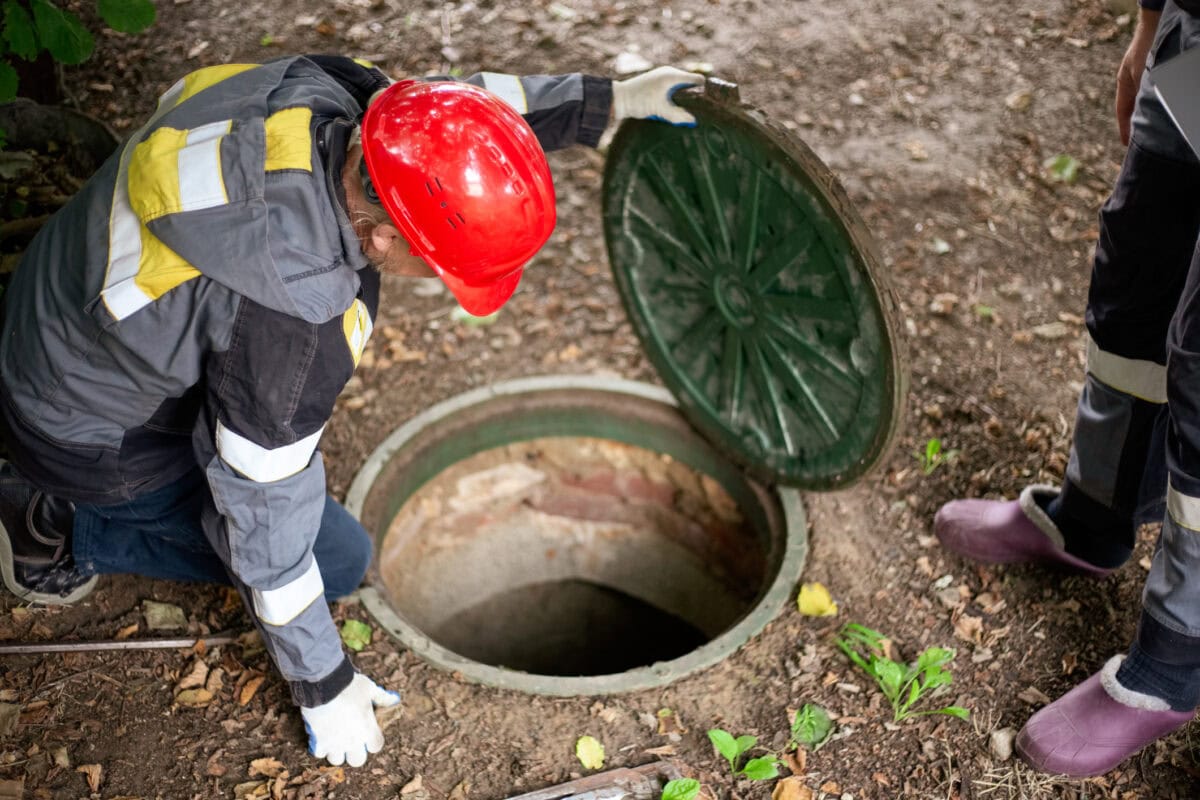
How to Choose the Right Septic Service Company for Your Home
Choosing the right septic service company for your home starts with finding a team that offers dependable…

FAQs and Tips
Understanding how your septic system works and maintaining it will save you time and money, and most importantly, help protect the environment. Feel free to ask our professional technicians questions what we do and why.
How does a conventional septic system work?
Conventional septic systems are the most common type of septic system. The others are innovative/alternative I/A systems and cesspools. A conventional system includes a septic tank, distribution box, and drain field.
How do I know if my system is having problems?
- Muddy Soil or Pools of Wastewater around Your Septic Tank or Soil Absorption System
- Sewage Smells around Your System or Inside Your House
- Backups When You Do Laundry, Take Showers, or Flush the Toilet
Will additives help my system?
There isn’t one on the market that can make a failing system pass inspection. We do not evaluate the accuracy of claims manufacturers make about the effects their products will have on system performance.
How often should I pump?
The Chesapeake Bay Act requires septic tanks to be cleaned every 3–5 years. Pumping your system regularly will prolong the life of your septic tank.
Why are failing septic systems harmful?
Failing systems leak excessive nutrients and bacteria into natural waterways, destroying plant and animal habitats and can transfer diseases, such as dysentery, hepatitis, and typhoid fever to animals and humans.
Do I really save money by maintaining my system?
Costs range from $355 - $415 for pumping, inspections start at $750. New systems could cost $50,000 or more.
Do’s & Don’ts
DO have the system inspected and pumped every 3–5 years. If the tank fills up with an excess of solids, the wastewater will not have enough time to settle in the tank. These excess solids will then pass on to the drain field, where they will clog the drain lines and soil.
DON’T use your toilet or sink as a trash can by dumping non-biodegradables, such as cigarette butts, diapers, feminine products, or grease down your sink or toilet. Non-biodegradables can clog the pipes, while grease can thicken and clog pipes. Store cooking oils, fats, and grease in a can for disposal in the garbage, or better yet, bring it to a recycling facility.